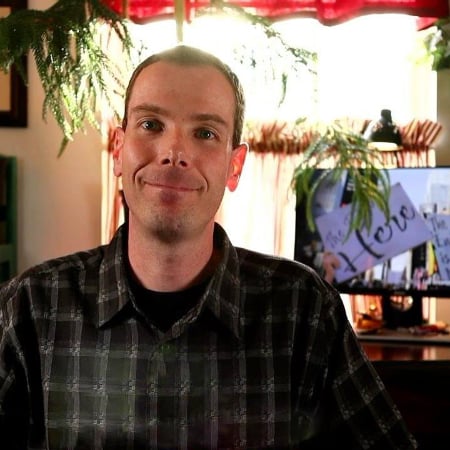
Do We Need a Backup?
When evil seems to be prospering, the temptation can be to find a backup plan instead of God’s way. Do we need one?
It Really is OK
Easter is God’s profound statement that He not only listens, but He also saves.
The Last One
We begin a new series in the Psalms tonight, looking at David’s lament in Psalm 12. What happens when we feel like evil has triumphed and whatever good we do is fruitless?
This Week at Little Hills - John
Jason looked to the Gospel of John to help us think about encountering Jesus as we begin Holy Week.
Holy Week at Little Hills
This Week at Little Hills - Joshua
Jim Wolfe takes us to Joshua to look at God’s consistent care that is shown throughout Scripture.
This Week at Little Hills - Nehemiah
What does God want us to rebuild? Pastor Tim turns to Nehemiah next in 52 Verses, 52 Books and 52 Weeks for 2026 as we think about that.
This Week at Little Hills - Deuteronomy
Who is supposed to teach whom? Pastor Tim thinks about that as we turn to Deuteronomy next in 52 Verses, 52 Books and 52 Weeks for 2026.
This Week at Little Hills - 2 John
Pastor Tim helps us to make sense of meaning of “antichrists” and truth in 2 John as we continue in 52 Verses, 52 Books and 52 Weeks for 2026.
Ash Wednesday

This Week at Little Hills - Ecclesiastes
Melanie helps us to make sense of meaning (and seeming meaninglessness) by going to Ecclesiastes we continue on in 52 Verses, 52 Books and 52 Weeks for 2026.
This Week at Little Hills - Ruth
Jason walks us through the beautiful story of Ruth and how the story points us to the Savior as we continue on in 52 Verses, 52 Books and 52 Weeks for 2026.
This Week at Little Hills - Mark
Pastor Tim takes us to the Gospel of Mark ahead of our new series on Isaiah, because what Mark can say reminds us of how God’s faithfulness promised in Isaiah is actually true today.
Where's Our Spot in the Grand Scheme of Things?
It’s great to know about how amazing Jesus is and wonderful to find out that the angels are incredibly powerful creations He made, too. But, where does that leave us?
This Week at Little Hills - Job
Rebuilds are Uncertain, so is Recreation?
We know if a business or sports team rebuild, there is a lot of uncertainty. So what about when God rebuilds the whole universe?
This Week at Little Hills - Leviticus
Jim Wolfe helps us to think about the Grace of God we find in the book of Leviticus.
This Week at Little Hills - Exodus
God isn’t just the God of the universe, he also is the God who wants us to know Him. Pastor Tim helps us think about this by turning to Exodus this week.
Angels are Great, But Jesus is Greater
Why are we so fascinated with angels and the spiritual world as a culture but often pause when it comes to fully embracing who Jesus is? It isn’t necessarily a new problem.
This Week at Little Hills
Pastor Tim begins our journey through the Bible this year by turning to Genesis ch. 3.