
Lording Over the Soda Room
If we have a chance to be superior, we want to take it. Yet, Paul points us to another way even when he had the authority and had been wronged by the people he was interacting with. It’s telling as we think about how we live and interact with others.
Don't Let Jesus Become Normal
Decades later, an aged Apostle John still cannot finish a sentence about Jesus without being overwhelmed with excitement. The Gospel has not become ordinary for him, but has it for us?
A New Heart
You can ignore the symptoms, try one more remedy, even rub essential oil on a broken bone—until the pain makes denial impossible. At Israel’s rock bottom, Ezekiel 36 lays God’s people on the physician’s table and names what stricter rules and harder effort cannot heal: a heart hardened against its Maker.
The Field Is Still Out There
At day’s end, the headlines follow you to bed: corruption deepens, truth blurs, and fear makes retreat feel safer than faithfulness. Second Timothy 3 names such seasons “perilous times,” yet it addresses believers called to live and speak the Gospel within them. How can Christians face a worsening world without being consumed by it—or becoming indistinguishable from it?
Full Faith and Credit
The baby of the next century, a famous inventor promised, would be rocked in a steel cradle, the family dining at a steel table in a house of steel. Even the most famous visionaries come up short. So where do we find security when our ideas seem misguided or downright bankrupt?
Top Recent Topics
“Fear the Lord, you chosen people of his, for those who fear him lack nothing. Even young lions sometimes lack food and are hungry, but those who seek the Lord lack no good thing. Come children. Listen to me. I will teach you what it means to fear the Lord.”
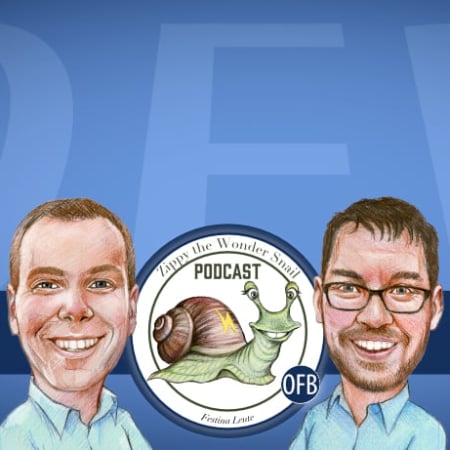
Episode 49: We Report, Jason Cries
The Boys are back — one standing, one sitting — both trying to make sense of Cardinals chaos, Blues heartbreak and the first hundred days of Trump 2.0. Plus: speculation on the next album from Taylor Swift and a meditation on the mystery of Jesus’ two natures.
Sometimes the Little Things Are Big
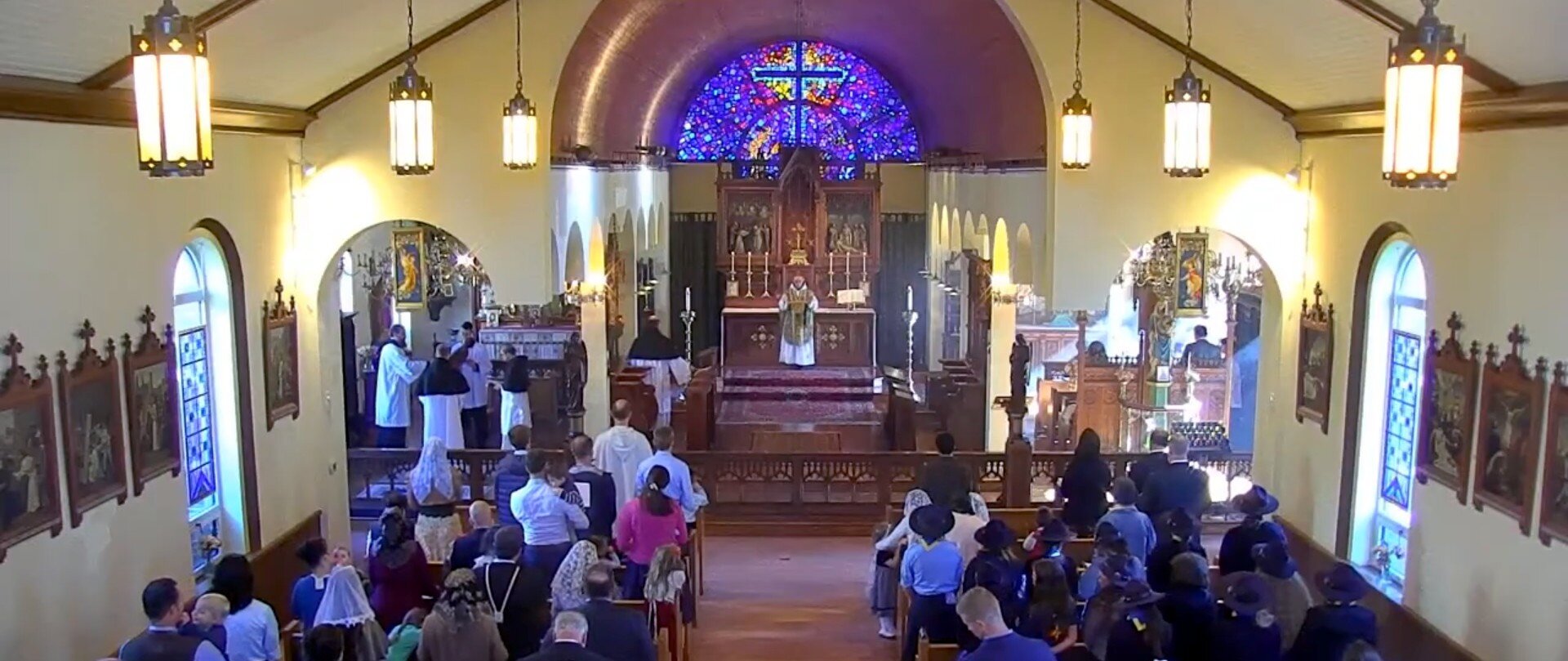
One would never have guessed the power of just zooming the camera back.
In late spring, as I’ve written, our beloved local priest, Father Mark, died of esophageal cancer at age 49. The grief-stricken congregation was oddly denied admission to the parish church for his funeral. The church ended up being half empty; the service was to be streamed for those who cared to watch.
Ecclesiology, Doctrine, Ecumenism: A Few Difficult Questions
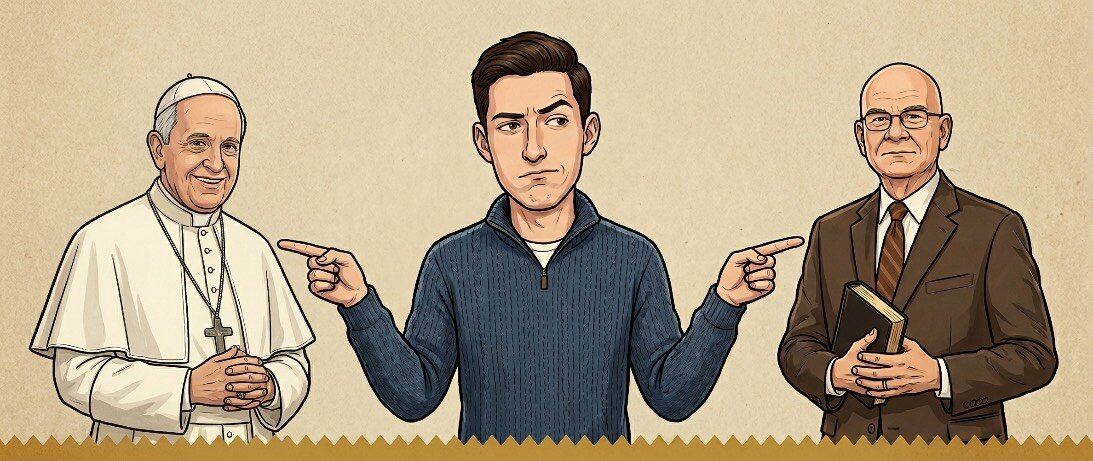
I am provoked by an internet presence that goes by “Redeemed Zoomer,” presumably a 20-something young man holding theologically conservative views, and similar views on Christian ethics, who is Reformed.
Oremus
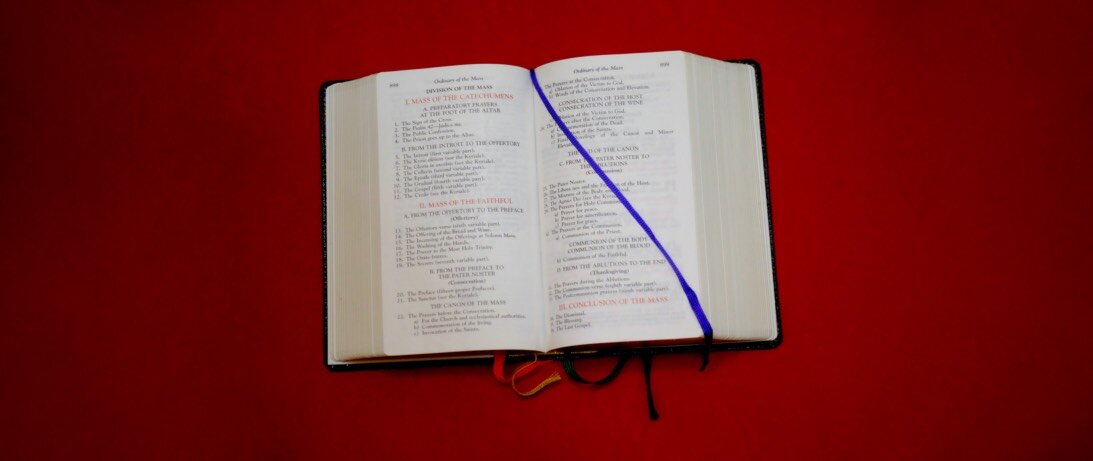
When one of my sisters phoned the other day, we got to talking about the church in which we grew up.
We were raised high-church Episcopalian. When you went to church there was no other place it could possibly be and nothing but worship could have possibly been going on. As the priest consecrated the body and blood for communion, he — yes, he — faced the altar and crucifix. We received communion on the tongue while we knelt at the communion rail. The lay readers — those who read the Epistle at each service — were enrobed, as were we acolytes.
 Harvester Christian
 True Life Community Church
 Little Hills Church
 FaithTree Christian Fellowship
 Bible Baptist Church