Are We in Motion?
Where do we go from Easter? Acts 1 gives us an idea as we see how Jesus prepares and gives purpose to His disciples.
"What Tick Bites Do You Have?"
You think the picnic went great until you start to itch and realize you brought ticks home with you. What tick bites—those sneaky sins whose venom is already inside before you notice—do you have? Those are the ones Jesus came to rescue us from.
We All Are Oedipus
We all want to avoid destruction and tragedy. And given our own inclinations, we all move away from the very source of escape from those things.
- This week is a special crossover from our Sunday Series, Stories of Sneaky Snakes.
This Week at Little Hills
Pastor Tim reflects on the continuing impact of Easter and our opportunity to think more deeply about that.
Instant Yeast or Long Rise?
When things feel urgent and broken, we want a solution that works right now—and that impatience is exactly what Luke 19 puts on display as the Palm Sunday crowd shouts “Hosanna” at Jesus, certain he’s about to deliver the instant fix they’ve been waiting for.
This Week at Little Hills: God's Providence
Evan helps us think about what God’s Providence is as we continue to explore God as the Creator.
Are We Living as Sin Chasers
As we wrap up our exploration of Psalm 9, we’re confronted with a question: are we living in the path of the sin storm or turning the shelter of God?
Holy Week at Little Hills
Stop Hoarding the Toilet Paper
Selfishness is sneaky—it feels like commonsense in the moment. As the disciples sat right in front of Jesus, they struggled with the same self-centered question we all are challenged: “But what about me?”
This Week at Little Hills: God as Creator
Greg takes us back to the beginning as we continue to think about who God is in relation to us.
Are We Importing Sin or Salvation
We continue to explore Psalm 9 by returning to what God values. Are we keeping our focus and our actions on Him or veering off course?
The Protection We Stop Noticing
God had just routed the mightiest army of the ancient world on Hezekiah’s behalf, then healed him from a terminal illness—and somehow, facing the next threat, Hezekiah forgot both and went looking for an ally he could hold onto. Isaiah 39 traces how that forgetfulness works in a believing heart, and why it’s the sneakiest danger of all.
This Week at Little Hills
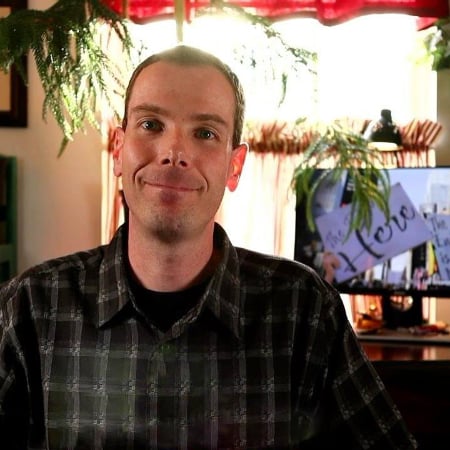
Why is Pastor Tim wearing a fall shirt on a spring day? Context is important in all sorts of parts of life — and very, very important when trying to understand who God is.
Does God Put Us Down in the Ditch?
When we read about God’s judgment, we can wonder if God is the one putting us into bad places and how it could possibly be that someone who is loving would do that. Scripture helps us see things are actually a “tad” different than that.
Deserve or Serve?
After Jericho’s walls fall without a fight, Israel feels certain the next battle will be routine—so certain they never bother to ask God first. Joshua 7 exposes a harder truth: what happens when success convinces us we’ve earned God’s blessing. One man’s hidden sin and a leader’s unexamined confidence unravel an entire people, revealing the dangerous gap between assumed standing and actual standing before God.
This Week at Little Hills
As Spring arrives, Pastor Tim turns to God’s promise about the seasons in Genesis 8. God is faithful to provide the seasons and so much more.
The Repetition Trampoline
A special fifth anniversary Steadfast takes us to the next part of Psalm 9.
Speak, Don't Strike
As the Israelites finds themselves out in the wilderness for years, Numbers 20 shows a people in a fog of discouragement — even Moses himself loses sight of what God is doing. But even when the discouragement feels overwhelming, we don’t have to let it get the final word.
The Folks Who are Never Cover Stories
God cares for the lowly — like us — and wants us to follow Him in showing that care.
Ladybugs in the Furnace
Little sins that seem almost harmless still multiply until they leave us too blind even for grace. In Genesis 4, Cain’s story is one of just such little sins and it serves as a caution as we tend our own “harmless sins.”